The Middle East conflict has entered a dangerous new phase as former US President Donald Trump issued a stark warning to Iran. He threatened to “obliterate” Iran’s power plants if the Strait of Hormuz is not fully reopened within 48 hours.
The situation is escalating rapidly, with missile attacks, regional tensions, and global economic concerns rising simultaneously.
⚠️ Trump’s Ultimatum to Iran
Donald Trump’s statement has intensified fears of a full-scale war. His warning targets Iran’s critical infrastructure, especially power plants, which are essential for civilian and industrial life.
Key Points:
- 48-hour deadline to reopen Strait of Hormuz
- Threat to destroy energy infrastructure
- Potential humanitarian and economic crisis
If executed, such strikes could severely disrupt daily life across Iran, affecting millions of civilians.
Why Strait of Hormuz Matters
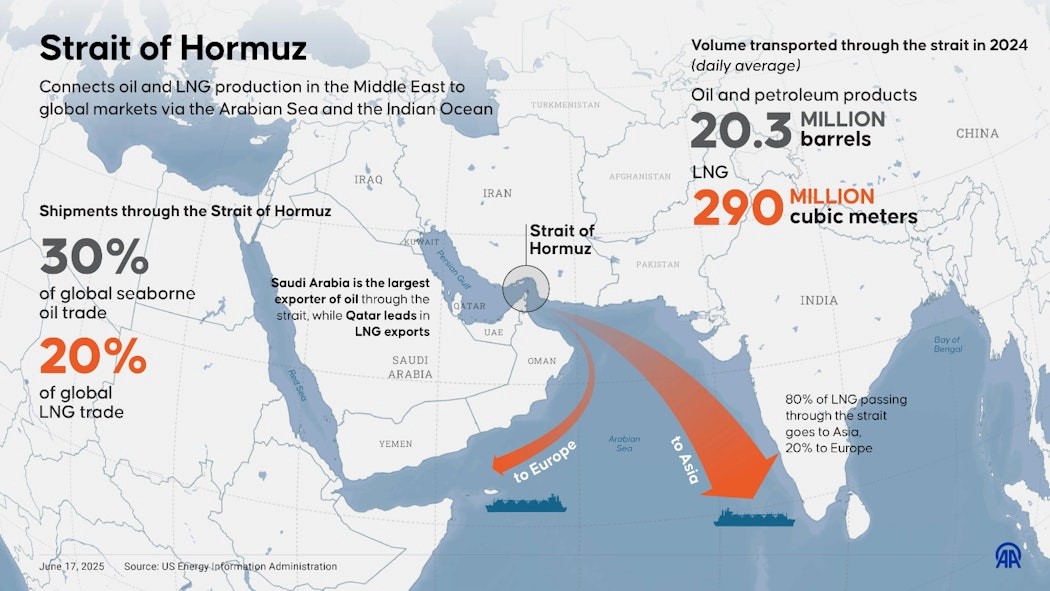
The Strait of Hormuz is one of the world’s most critical oil transit chokepoints.
Importance:
- Nearly 20% of global oil supply passes through it
- Key route for Gulf countries’ exports
- Any disruption affects global fuel prices
Iran has stated that ships can pass with its approval, but tensions remain high.
Escalating Attacks on Israel
Iranian missile attacks on Israel are reportedly becoming more intense.
Recent Developments:
- Missile strikes triggered sirens across central Israel
- Around 100 people injured in overnight attacks
- Damage reported in Dimona and Arad
- Projectile from Lebanon killed a civilian
Israel has also expanded ground operations in southern Lebanon targeting Hezbollah positions.
Regional War Expanding
The conflict is no longer limited to Iran and Israel. It is now spreading across the region:
- Lebanon front heating up
- Houthi involvement increasing
- Oman trying diplomatic mediation
- Threats to US-linked infrastructure
This raises concerns of a multi-country war in West Asia.
Impact on Civilians in Iran
Strikes on infrastructure could severely impact ordinary citizens.
Possible Effects:
- Power outages across cities
- Water shortages (as seen in Qeshm Island incident)
- Healthcare disruptions
- Economic instability
Iran has warned it will respond with “retaliation in kind”, targeting similar infrastructure in the region.
Key Takeaways
- Trump threatens major strikes on Iran’s power plants
- Strait of Hormuz remains at center of crisis
- Missile attacks on Israel intensifying
- Conflict expanding to Lebanon and beyond
- Civilian impact could be severe
FAQs
Q1. Why is the Strait of Hormuz important?
It is a vital oil route through which about 20% of the world’s oil passes.
Q2. What did Trump say about Iran?
He warned of destroying Iran’s power plants if the Strait isn’t reopened.
Q3. Is the conflict spreading?
Yes, it now involves Lebanon, Houthis, and regional tensions.
Q4. How are civilians affected?
They may face power cuts, water shortages, and economic disruption.
Conclusion
The Iran-Israel conflict is rapidly escalating into a broader regional crisis. With threats targeting critical infrastructure and increasing military actions, the situation in the Middle East remains highly volatile.
Global markets, especially oil, are closely watching developments in the Strait of Hormuz, making this not just a regional issue—but a global concern.
